Slot Volatility Ratings: Mapping Their Effects on Free Spin Formulas in Integrated Casino Networks
Written by Hugo Weber · Aug 23, 2026
Slot Volatility Ratings: Mapping Their Effects on Free Spin Formulas in Integrated Casino Networks
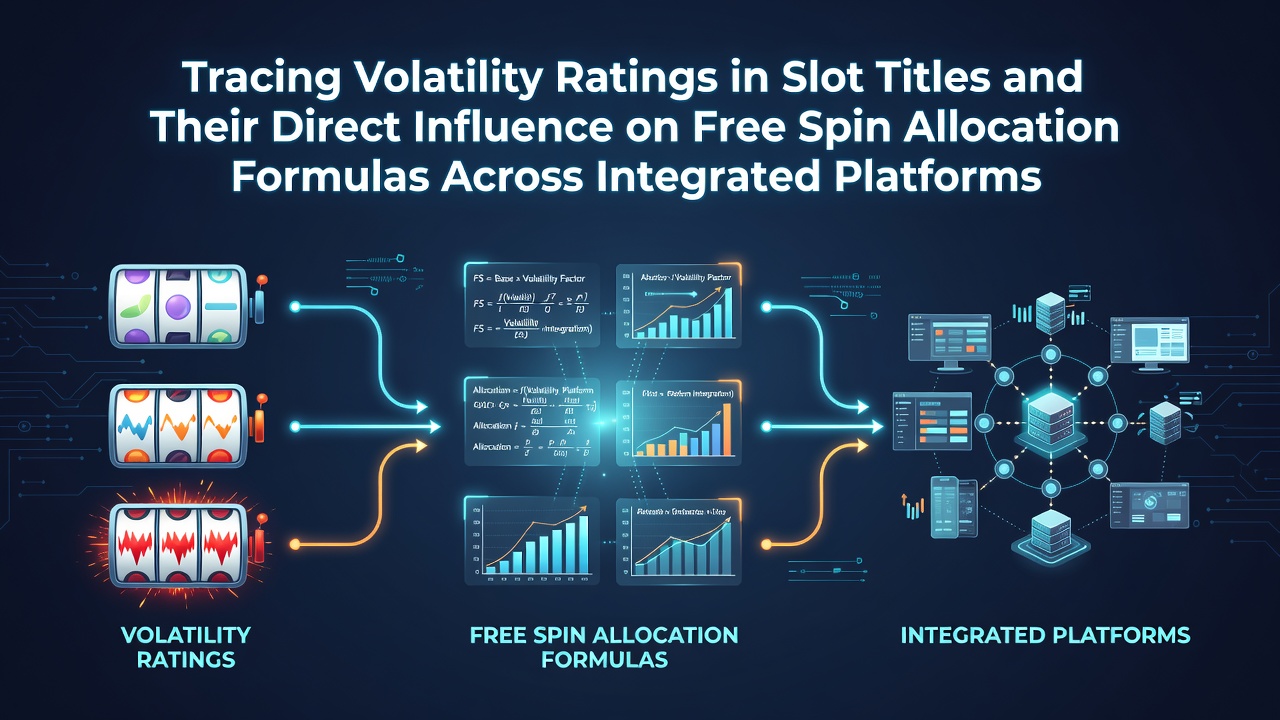
Slot volatility ratings serve as core mathematical indicators that classify game behavior according to win frequency and payout size, and these classifications feed directly into free spin allocation formulas used by integrated gaming platforms. Low-volatility titles generate frequent smaller payouts while high-volatility games produce infrequent yet larger returns, and platform algorithms adjust free spin quantities accordingly to maintain consistent return-to-player percentages across sessions. Data from industry reports shows that these adjustments occur through predefined multipliers that scale bonus triggers based on volatility tiers, ensuring balanced player engagement without altering the underlying random number generator outputs.
Defining Volatility Tiers and Their Platform Integration
Volatility tiers typically fall into three categories that developers assign during game certification, and integrated platforms pull these ratings from centralized databases to modify bonus mechanics in real time. Medium-volatility slots often receive baseline free spin counts because their payout curves already align with average session lengths, whereas high-volatility options trigger fewer spins that carry elevated multiplier potential to offset the longer dry spells between wins. Observers note that platform operators began standardizing these formulas in 2024, with further refinements scheduled for rollout in August 2026 across multiple operator networks that share player data pools.
Research indicates that volatility data travels through application programming interfaces connecting slot libraries to bonus engines, and this connectivity allows a single player profile to receive consistent treatment whether accessing games via desktop, mobile, or shared ecosystem terminals. One study revealed that platforms using unified volatility tracking reduced variance complaints by aligning free spin allocations with documented game mathematics, and similar patterns appear in reports from the Nevada Gaming Control Board that track slot performance metrics across licensed operators.
Formulas Linking Volatility to Free Spin Distribution
Allocation formulas apply coefficients derived from volatility ratings to determine spin quantities, with high-volatility games receiving multipliers that increase average spin value rather than quantity while low-volatility titles gain additional spins at standard values. These calculations incorporate expected value models that factor in base game hit rates, and the resulting free spin packages maintain overall game RTP within certified limits. Figures from gaming research institutions demonstrate that such adjustments occur within milliseconds of game selection, creating seamless transitions for users moving between titles on connected platforms.
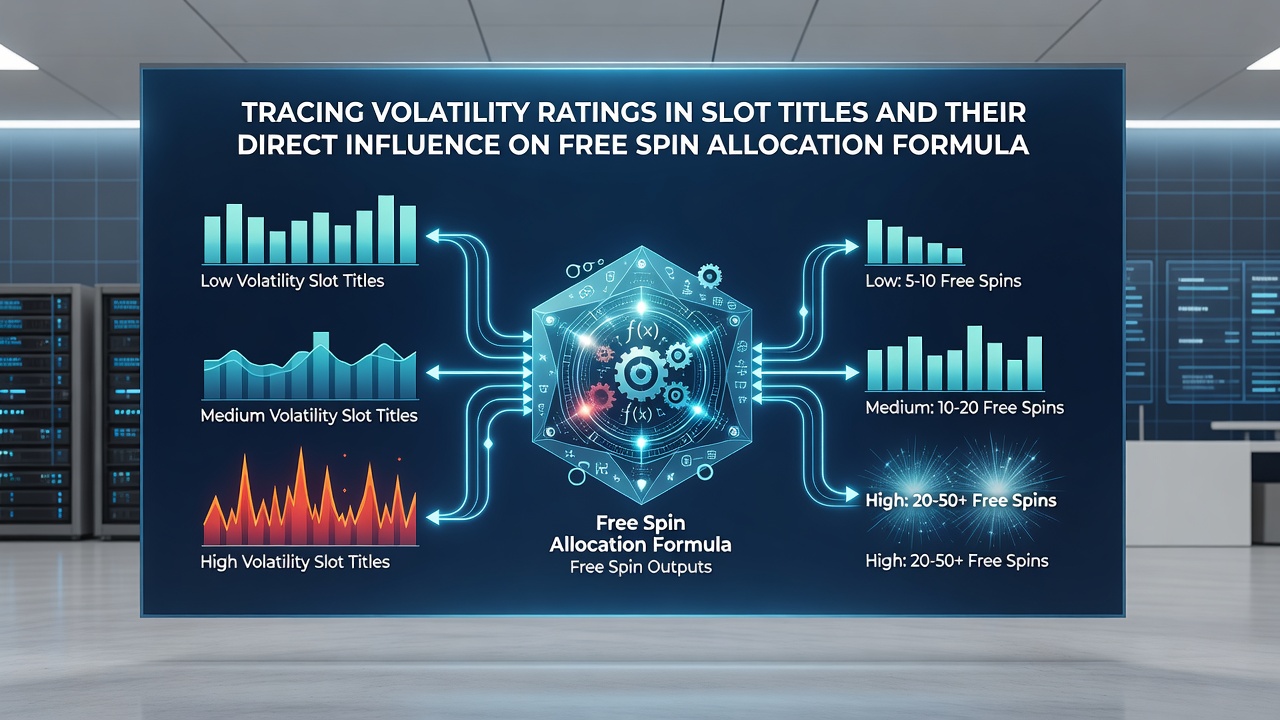
Platform developers embed volatility parameters into bonus scripts that reference historical payout tables, and this approach prevents over-allocation of free spins on titles already prone to frequent small returns. Experts have observed that the method also supports cross-promotional campaigns where players receive bonus eligibility notices tailored to their preferred volatility range, thereby guiding traffic toward underutilized game libraries without manual intervention. Turns out these systems became more prevalent after 2025 updates to platform architecture that emphasized real-time data synchronization between game servers and loyalty modules.
Cross-Platform Consistency and August 2026 Updates
Integrated platforms maintain consistency by storing volatility profiles in shared cloud repositories that multiple operators access under standardized protocols, and this structure allows free spin formulas to remain uniform even when players switch between affiliated sites. In August 2026 several major networks plan to introduce enhanced volatility tracking layers that incorporate machine learning adjustments to spin allocation based on aggregate player behavior data collected over preceding months. Such changes build on existing frameworks documented in reports from the Victorian Commission for Gambling and Liquor Regulation, which examined similar mathematical balancing techniques in Australian markets.
Those who've studied platform logs note that volatility-driven formulas also influence progressive jackpot contributions, with high-volatility slots sometimes receiving reduced free spin counts offset by higher jackpot seed amounts to preserve overall prize pool dynamics. Academic papers on gaming mathematics further confirm that these interlinked parameters prevent any single volatility tier from dominating bonus distribution across an entire ecosystem, thereby supporting regulatory requirements for fair play across diverse game catalogs.
Case Examples from Operational Platforms
One network that implemented volatility-adjusted free spin rules reported measurable shifts in session duration metrics, with players engaging longer on medium-volatility titles after formula tweaks increased spin quantities modestly. Another operator integrated volatility data into its mobile app interface, displaying simplified volatility badges alongside bonus eligibility notices so users could anticipate how free spin offers would scale. These implementations drew from guidelines published by the American Gaming Association on responsible game design practices that emphasize transparent mathematical structures.
Additional evidence appears in collaborative studies between university research teams and platform providers, where volatility mapping reduced discrepancies between advertised and actual bonus frequencies. The resulting datasets helped refine allocation algorithms that now account for regional player preferences without deviating from certified game parameters.
Conclusion
Volatility ratings continue to function as foundational inputs that shape free spin allocation across integrated platforms through precise mathematical linkages, and ongoing developments scheduled for August 2026 will likely extend these connections further. Platform operators rely on standardized data flows and formulaic adjustments to deliver consistent experiences while preserving certified game integrity, with supporting evidence drawn from regulatory records and research across multiple jurisdictions.