Personalization Engines: The Tech Behind Custom Free Spin Promotions in British Online Casinos
Written by Avery Schmitt · Oct 23, 2026
Personalization Engines: The Tech Behind Custom Free Spin Promotions in British Online Casinos
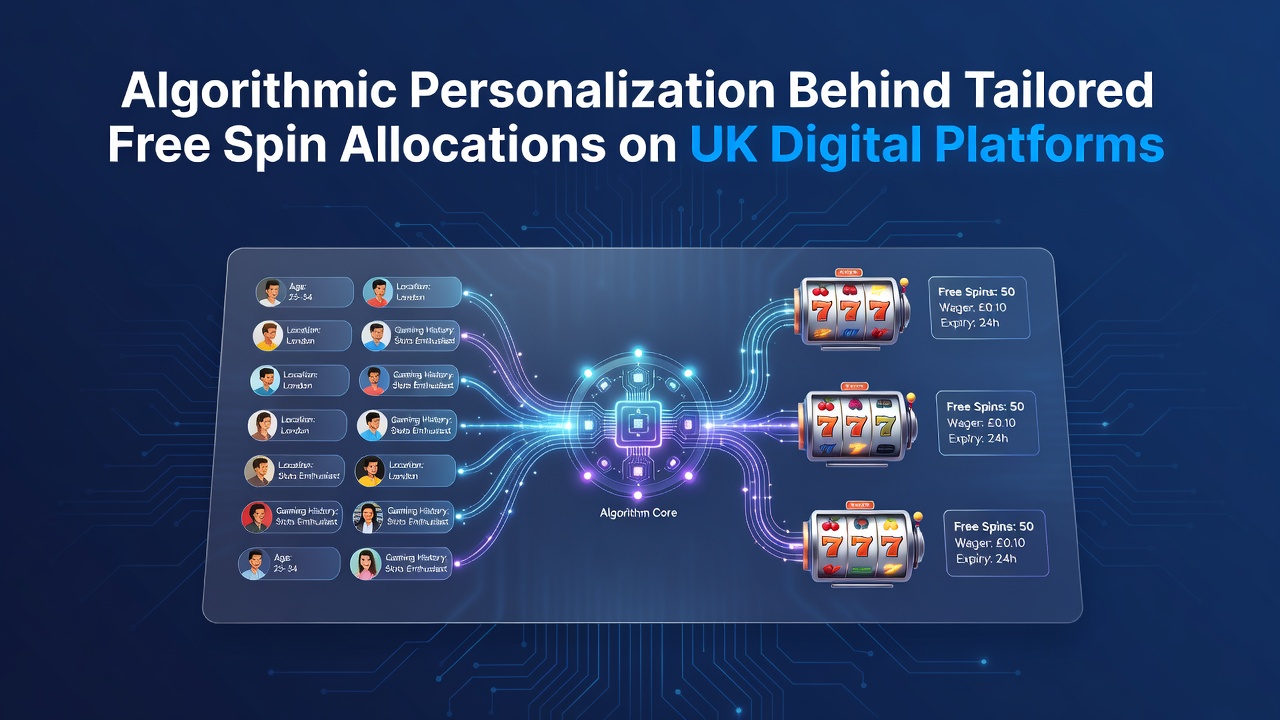
Platforms across the UK rely on sophisticated algorithms to determine which free spin offers reach individual users, drawing from extensive datasets that track deposit patterns, session durations, and game preferences to allocate rewards with precision, and this approach has grown more refined as operators integrate real-time analytics into their systems.
Data Inputs Fueling the Process
Operators collect information on player activity including frequency of logins, average stake sizes, and responses to prior promotions, then feed these metrics into machine learning models that identify patterns and predict which incentives will encourage continued engagement, while researchers at institutions such as the University of Nevada Reno have documented similar techniques in broader gambling technology studies.
Additional variables enter the equation such as device type, time of day for typical play, and even navigation habits within an app or site, allowing the system to segment users into cohorts where one group might receive higher spin quantities after a recent deposit whereas another sees offers tied to specific slot titles based on historical clicks.
Algorithm Types in Operation
Supervised learning models process labeled historical data to forecast spin redemption rates, whereas unsupervised methods cluster players by behavior without predefined categories, and reinforcement learning variants adjust allocations dynamically as new interactions occur, with industry reports indicating these layered approaches help platforms balance bonus costs against retention goals.
One example involves collaborative filtering techniques borrowed from e-commerce recommendation engines, where the system compares a user's profile against thousands of others to suggest tailored spin bundles, and this method has appeared in analyses of digital entertainment platforms outside the gambling sector as well.
Implementation Across Platforms
During October 2026 several major British sites rolled out updated personalization layers that incorporated weather data correlations and regional event schedules to time free spin drops, for instance linking offers to upcoming football matches in ways that align with observed spikes in user activity, while data from the Australian Gambling Research Centre shows comparable timing strategies in other markets.
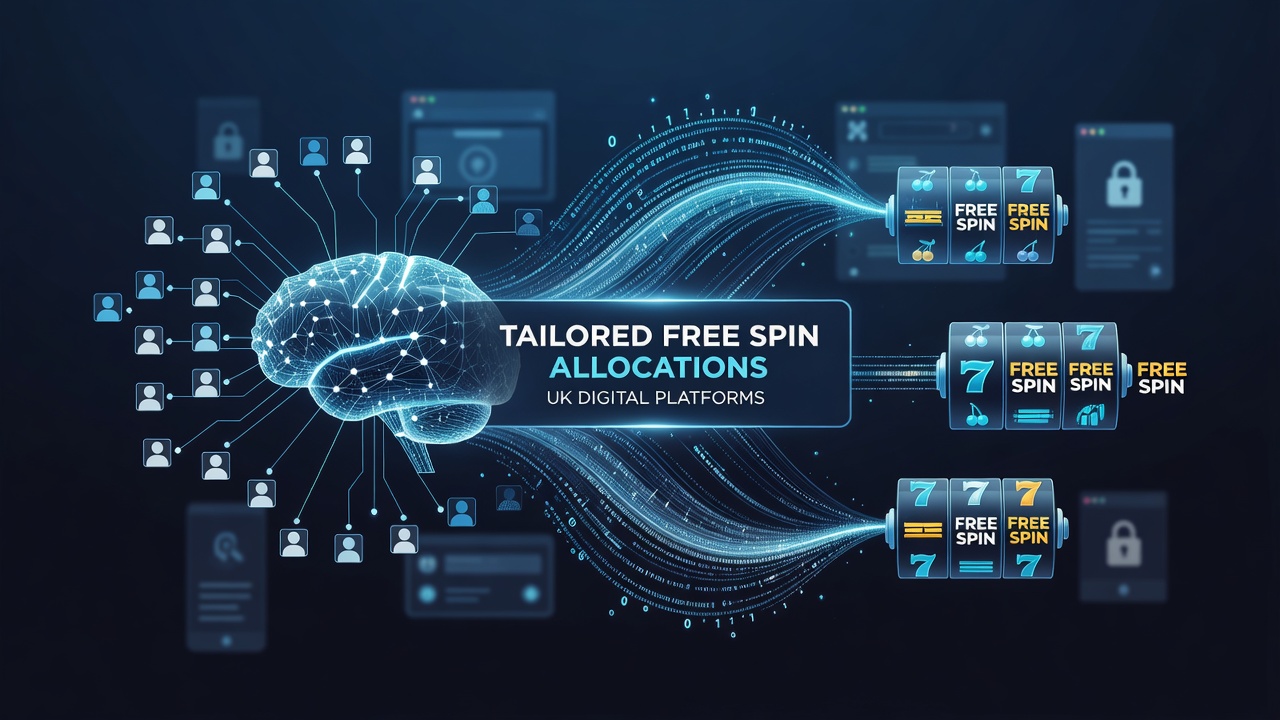
Integration with payment histories allows the algorithm to escalate or reduce offer values based on recent transaction volumes, yet operators maintain separate thresholds to comply with broader responsible gaming frameworks that vary by jurisdiction, and observers note these adjustments occur without direct user input beyond the initial account setup.
Broader Industry Context
Trade associations including the European Gaming and Betting Association have highlighted how algorithmic tools streamline promotional efficiency, reducing blanket distributions in favor of targeted deliveries that conserve marketing budgets while maintaining engagement levels across diverse user bases, and case studies from Canadian operators reveal similar shifts toward data-led customization in the past two years.
Technical infrastructure often combines cloud-based processing with on-device edge computing to handle the volume of real-time decisions, enabling platforms to deliver spin notifications within seconds of a qualifying action such as completing a deposit or reaching a playtime milestone.
Conclusion
Algorithmic personalization continues to shape how free spin allocations reach users on UK digital platforms through interconnected data streams and adaptive models that respond to individual patterns, with developments in October 2026 underscoring the ongoing evolution of these systems as operators refine their approaches using insights from multiple international sources.