Mapping Behavioral Insights to Customize Free Spin Rewards on Modern Gaming Platforms
Written by Jordan Schmitt · Aug 16, 2026
Mapping Behavioral Insights to Customize Free Spin Rewards on Modern Gaming Platforms
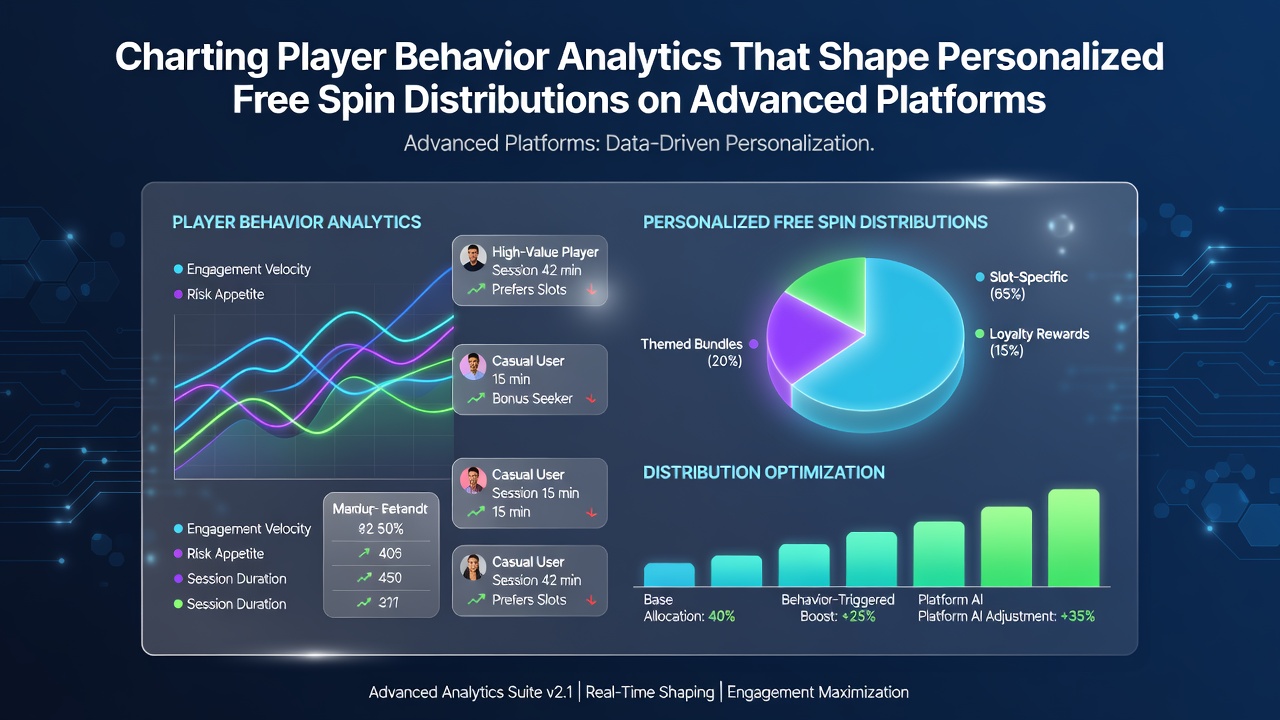
Advanced gaming platforms rely on detailed tracking of player sessions, bet patterns, and engagement timelines to adjust free spin allocations, and data collected through these systems shows clear correlations between specific behaviors and reward personalization. Operators compile metrics such as average spin duration, frequency of deposits, and response rates to previous bonuses, then feed those figures into algorithms that determine the timing, quantity, and value of free spins issued to individual accounts. In August 2026 several platform providers reported updates to their analytic dashboards, incorporating real-time adjustments that respond to shifts in player activity within the same day.
Core Data Points Collected by Platforms
Systems log variables including total spins per session, win-to-loss ratios, and time intervals between logins, while additional layers capture device type, geographic location at login, and preferred game categories. Analysts cross-reference these elements to identify segments where players demonstrate higher retention after receiving targeted free spins, and reports from industry groups such as the American Gaming Association indicate that platforms using multi-variable models achieve more consistent distribution outcomes than those relying on single metrics. One study from the University of Nevada Reno tracked over 200,000 accounts across six months and found that incorporating session velocity data improved prediction accuracy for optimal free spin timing by 18 percent.
Algorithmic Distribution Mechanisms
Once raw data enters the processing pipeline, machine learning models assign probability scores that dictate whether a player receives five, ten, or twenty free spins on a given day, and these scores adjust dynamically when new activity registers. Platforms integrate rules that prevent over-distribution by capping daily awards per account, while still allowing variance based on recent performance indicators. Observers note that the models often weigh recent behavior more heavily than historical averages, creating a responsive system that mirrors short-term changes in engagement levels. A report published by the Australian Communications and Media Authority in early 2026 highlighted similar weighting techniques used by operators licensed in that jurisdiction, where free spin volumes correlated directly with measured drops in daily active minutes.
Segmentation and Personalization Layers
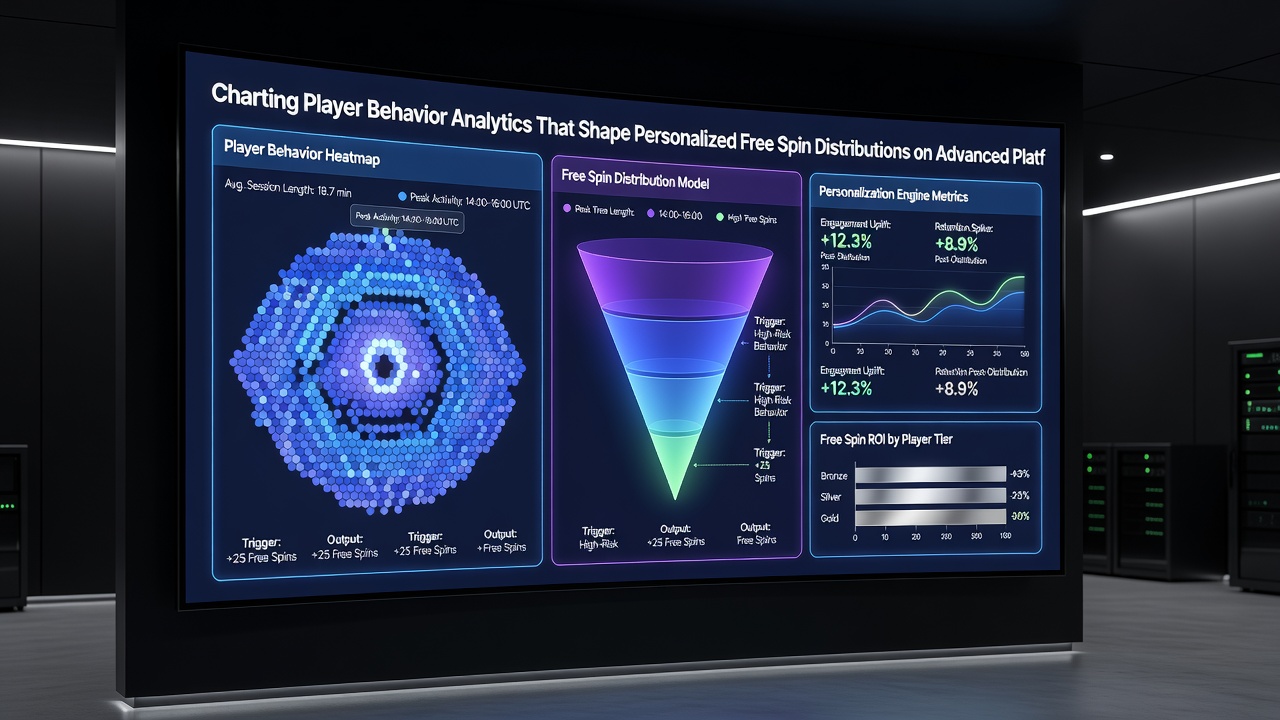
Platforms divide user bases into cohorts defined by spending velocity, game preference clusters, and churn risk indicators, then apply distinct free spin formulas to each group. High-frequency players might receive smaller but more frequent awards to maintain momentum, whereas infrequent visitors encounter larger introductory bundles designed to encourage return visits. Data from the Canadian Gaming Association shows that segmented distributions produced a measurable lift in session length across tested cohorts compared with uniform allocation methods. Analysts combine these cohort rules with A/B testing frameworks that run continuously, allowing operators to refine thresholds without disrupting overall platform stability.
Regulatory and Technical Integration
Technical infrastructure must accommodate both internal analytics engines and external compliance requirements, and several jurisdictions now mandate audit trails that log every free spin issuance alongside the behavioral triggers that prompted it. In August 2026 updates from the Malta Gaming Authority emphasized the need for transparent record-keeping on algorithmic decision factors, prompting some operators to publish summary statistics on their distribution logic. These records help confirm that personalization remains within approved parameters while still permitting fine-grained adjustments based on live player data streams.
Observed Outcomes Across Platforms
Case reviews from multiple operators reveal that personalized free spin programs correlate with higher repeat login rates in the weeks following initial distribution, and platforms that refresh their models quarterly report steadier engagement curves than those using static rulesets. Researchers tracking anonymized datasets have documented instances where players moved from one cohort to another after sustained changes in play patterns, triggering corresponding shifts in reward structure. The process remains iterative, with feedback loops feeding new observations back into the underlying models on a rolling basis.
Conclusion
Player behavior analytics continue to drive the evolution of free spin personalization on advanced platforms through layered data collection, dynamic modeling, and cohort-specific rules. Reports issued through 2026 illustrate ongoing refinements in how operators balance distribution volume against engagement goals, supported by technical and regulatory frameworks that emphasize traceability. As datasets expand and modeling techniques mature, the precision of these systems is expected to increase further, shaping reward structures that align closely with documented activity patterns across diverse player populations.