Live Dealer Engagements Driving Bonus Triggers in British Gaming Venues
Written by Blake Becker · Aug 25, 2026
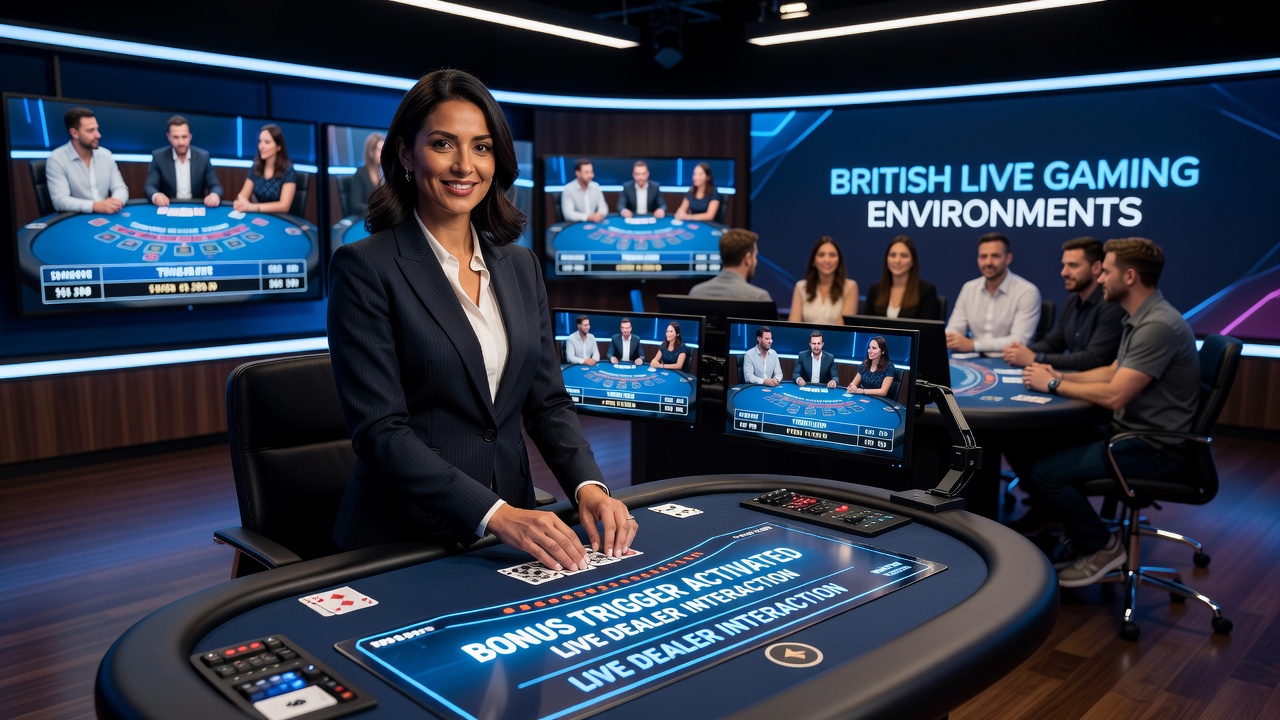
Live Dealer Engagements Driving Bonus Triggers in British Gaming Venues
Live dealer interactions in British gaming venues have evolved into structured systems where real-time communications and actions directly activate bonus features for participants, and these mechanisms operate through integrated software that monitors dealer behavior alongside player responses. Platforms track specific phrases, gestures, and game outcomes from dealers in games such as blackjack and roulette, then convert those elements into instant rewards including cashback credits or free spin allocations. Data from multiple operators shows that such triggers increased engagement rates by measurable percentages during periods leading into August 2026, when several venues expanded their live dealer networks to accommodate higher volumes of remote connections.
Mechanics of Real-Time Triggers
Dealers follow scripted yet flexible protocols that allow natural conversation while software algorithms detect keywords or sequences, for instance a dealer announcing a particular card combination or encouraging a strategic decision can prompt the system to award a bonus if the player completes a related action within a set timeframe. This process relies on audio and video analytics that process dealer inputs continuously, and the result appears as an on-screen notification for the participant without interrupting the flow of the table. Researchers at institutions studying gaming technology have documented how these systems reduce latency between interaction and reward delivery to under three seconds on average, which maintains player immersion across sessions.
British operators integrate these features with existing loyalty frameworks, so repeated triggers accumulate points that convert into tiered benefits such as personalized reload offers or access to private tables. One venue implemented a dealer gesture recognition module in early 2025 that identified hand signals for card reveals, and this addition correlated with a documented rise in bonus activations during peak evening hours. Observers note that the approach differs from automated slot bonuses because it incorporates human variability, which creates unpredictable yet rule-bound reward moments.
Platform Adaptations and Data Patterns
Multiple platforms adjusted their live gaming interfaces by mid-2026 to emphasize dealer visibility, with cameras positioned to capture facial expressions and table movements that feed into trigger detection. Statistics released by industry research groups indicate that venues employing these interactive systems recorded higher average session durations compared with standard live setups, and the pattern held across both desktop and mobile connections. External monitoring from sources such as the European Gaming and Betting Association highlights how real-time elements contribute to regulatory compliance by logging every trigger event for audit purposes.
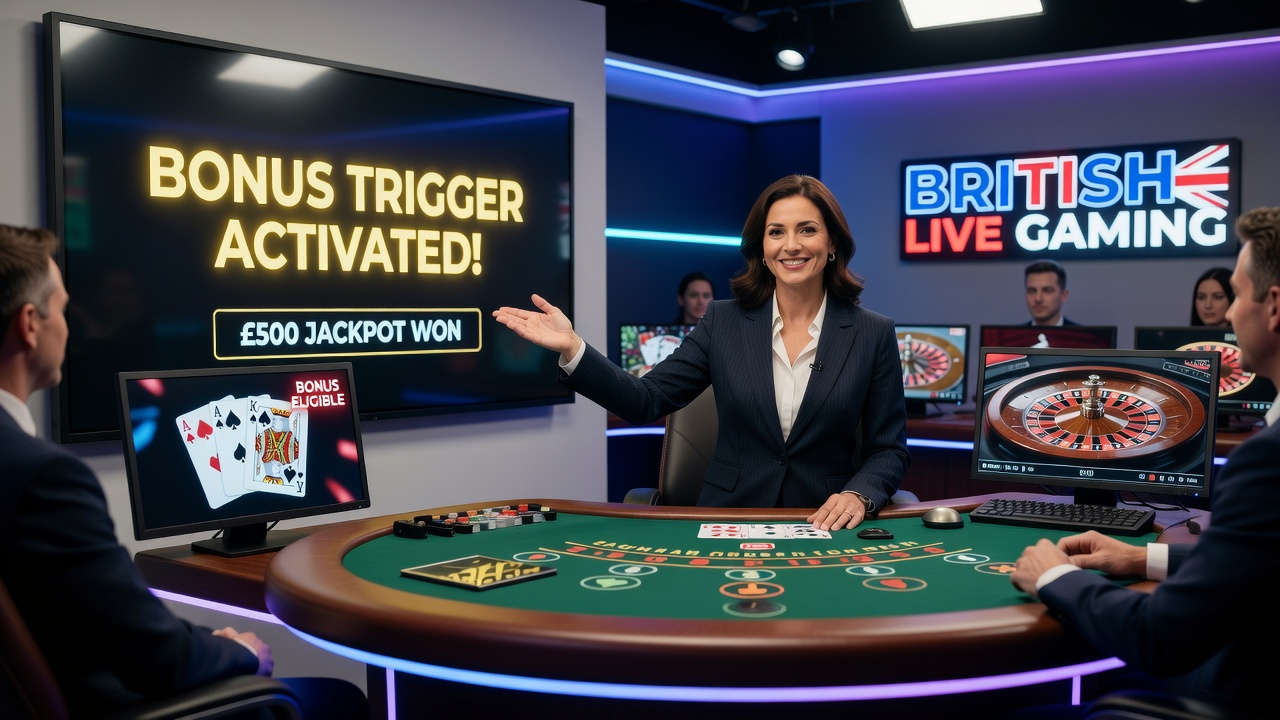
Take one operator that introduced a dealer-led challenge system in August 2026, where a live host posed quick arithmetic questions during roulette spins, and successful player answers activated instant match bonuses. Reports from that period show the feature processed thousands of activations weekly, with the majority occurring during the first thirty minutes of table entry. This timing suggests early-session interactions establish momentum that carries through subsequent rounds.
Integration with Broader Gaming Ecosystems
Live dealer bonuses often link directly to sports betting accounts on the same platform, allowing a triggered casino reward to appear as a cross-product credit usable on upcoming events. Industry reports from the Victorian Responsible Gambling Foundation in Australia have examined similar crossovers in other markets, revealing that unified player profiles enable seamless transfer of rewards without additional deposits. British venues adopted comparable architectures to retain participants who move between live tables and event-based betting.
Training programs for dealers now include modules on timing and phrasing that maximize trigger potential while remaining compliant with conduct standards, and these sessions draw on recorded interactions to refine delivery. Data indicates that dealers who completed such training contributed to higher activation rates per table hour than those without specialized preparation. The result appears in aggregated platform metrics that track both bonus frequency and player retention across quarterly reviews.
Conclusion
Real-time dealer interactions continue to shape bonus delivery in British live gaming by combining human elements with algorithmic detection, and this combination produces measurable outcomes in engagement and reward distribution. As operators refine detection accuracy and expand cross-platform linkages, the systems maintain records that support both operational oversight and participant transparency. Patterns observed through August 2026 demonstrate consistent application across venues, with triggers functioning as structured components within established gaming frameworks.